
Every Saudi SME that issues a tax invoice is now part of a national digital system, and ZATCA e-invoicing compliance is no longer optional paperwork, it is daily operating reality. Phase 1 (Generation) began on 4 December 2021, and Phase 2 (Integration with the Fatoora platform) has been rolling out in waves by revenue threshold since 1 January 2023. If your business has not yet been notified for a Phase 2 wave, it is still worth building the habits now, because the checklist below works for Phase 1 compliance today and prepares you for integration later.
This guide walks through a practical 2026 readiness checklist for finance teams, sales staff and owners who want e-invoicing, CRM data and VAT reporting to work together instead of living in separate spreadsheets.
What ZATCA E-Invoicing Actually Requires
At its core, the regulation from the Zakat, Tax and Customs Authority asks every VAT-registered business to stop handwriting or Word-processing tax invoices. Instead, invoices must be generated electronically, in a structured format.
- Standard tax invoices, used for business-to-business sales, are cleared through ZATCA before they reach the buyer.
- Simplified tax invoices, used for business-to-consumer sales such as retail or walk-in service, are reported to ZATCA within 24 hours and must carry a QR code.
- Both invoice types are produced as XML (UBL 2.1) or as a PDF/A-3 file with embedded XML and a cryptographic stamp.
- VAT itself stays at 15 percent on standard-rated supplies, so the invoice math does not change, only the format and the reporting trail.
Why a Spreadsheet Habit Becomes a Risk in 2026
Many Saudi SMEs still track quotations in one place, raise invoices in another, and log customer complaints in a third tool, often a shared Excel file or a messaging app thread. That works until a tax invoice needs correcting, a customer disputes a charge, or an auditor asks for a trail from quotation to payment.
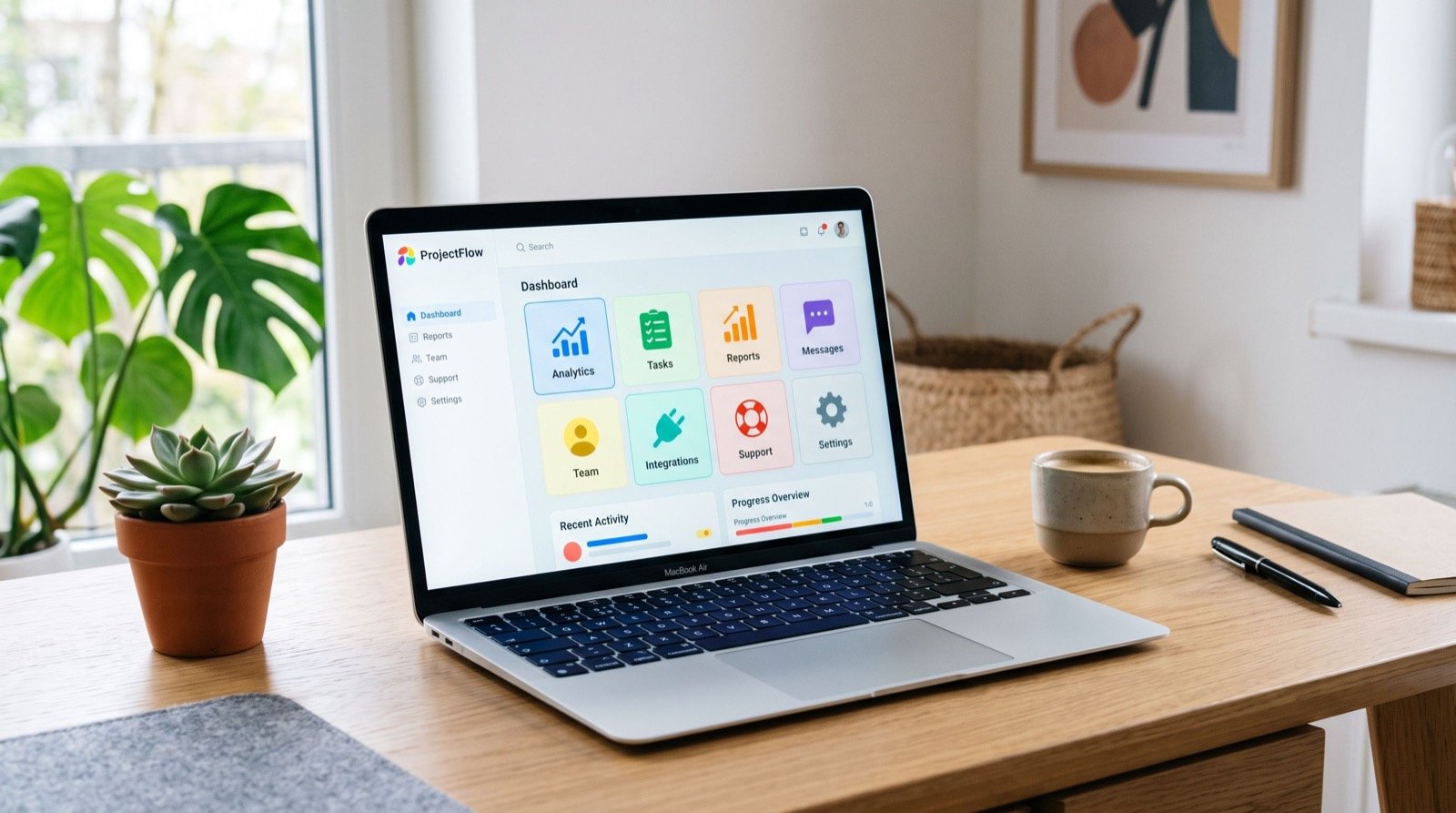
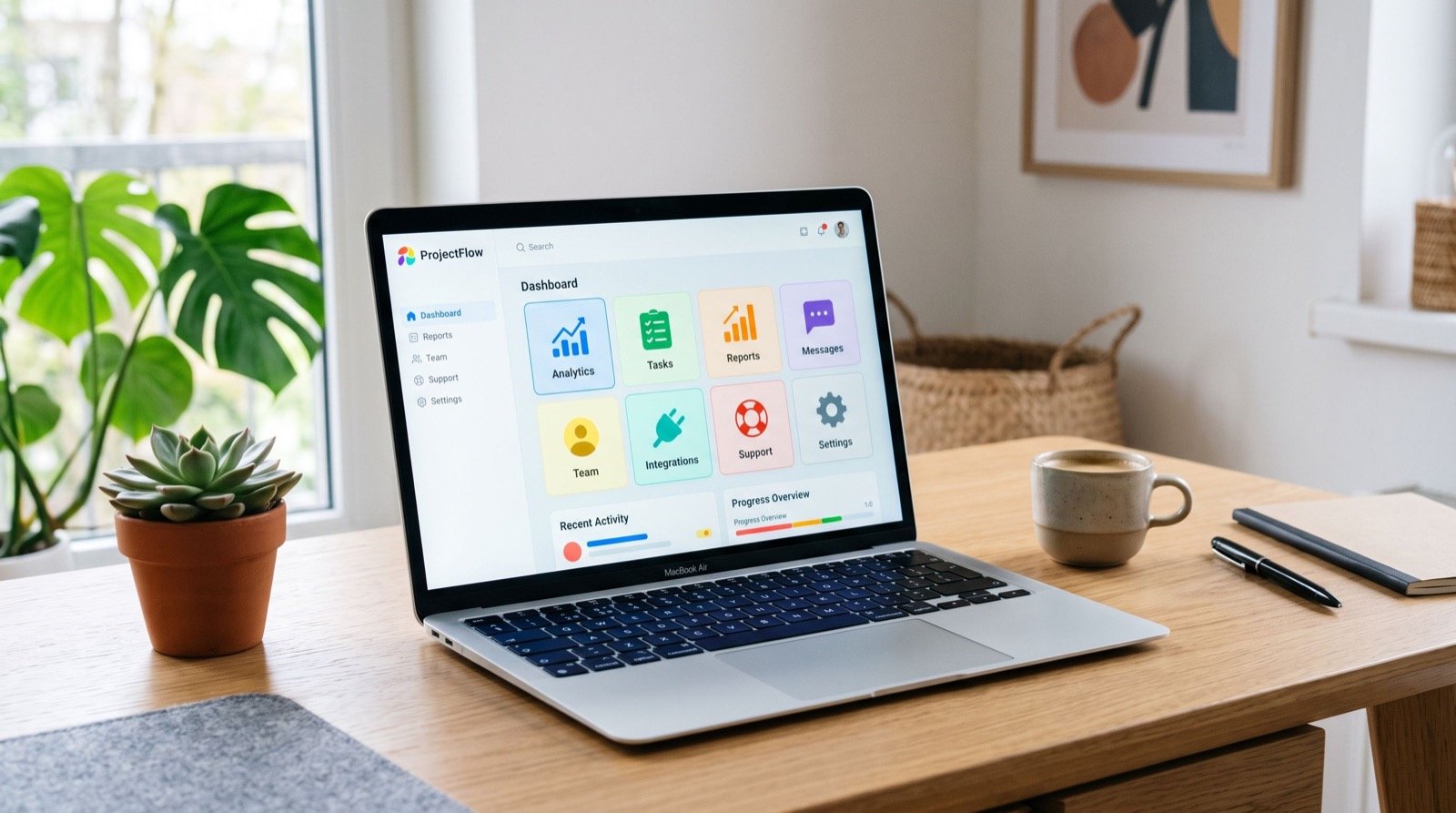
A cloud platform that keeps quotations, invoices and customer records in one system removes that gap. Daftarix is built for exactly this: a single place to manage customers, quotations, VAT invoices, support tickets, complaints and maintenance requests, so a sales quote can turn into a compliant invoice without re-typing figures.
How a CRM Fits Into E-Invoicing Readiness
E-invoicing is not just an accounting project. The invoice line items usually start life as a quotation, and the quotation usually starts life as a CRM record, a customer name, a product, a price, a discount agreed on a phone call. If your CRM and your invoicing software are two unrelated tools, someone is retyping data, and retyped data is where VAT errors creep in.
This is why many finance managers now look for the best CRM in Saudi Arabia as part of the same decision as choosing e-invoicing software, rather than as a separate purchase a year later. When the customer record, the quotation and the invoice share one database, the VAT number, the address and the line items only need to be entered once, and they stay consistent from quote to cleared invoice.
Is Phase 2 the Same for Every Business?
No. ZATCA has been integrating taxpayers in waves since January 2023, grouped by annual revenue, with each wave receiving its own notification and onboarding window. The exact thresholds and dates change between waves, so rather than relying on a figure from a blog post, check ZATCA’s current wave announcements directly for your business’s status.
A 2026 Readiness Checklist
Use this as a working list rather than a one-time audit. Review it every quarter as your revenue and invoice volume grow.
| Area | What to check | Why it matters |
|---|---|---|
| Invoice format | Invoices generate as XML/UBL 2.1 or PDF/A-3 with embedded XML | Required structure for both standard and simplified invoices |
| QR codes | Simplified (B2C) invoices display a QR code automatically | Mandatory for retail and walk-in transactions |
| Clearance flow | Standard (B2B) invoices route through the clearance process | Invoice is not legally valid until cleared |
| Reporting window | Simplified invoices are reported within 24 hours | Late reporting creates a compliance gap |
| Data source | CRM, quotations and invoicing draw from one customer record | Reduces manual re-entry and VAT mismatches |
| Archiving | Cleared invoices and cryptographic stamps are stored and searchable | Needed for audits and customer disputes |
Common Gaps Finance Teams Discover Too Late
- Quotation totals that do not match the final invoice because they were typed twice.
- Simplified invoices missing a readable QR code on printed receipts.
- No single owner for the e-invoicing process once the IT consultant who set it up moves on.
- Customer complaints about a wrong invoice getting lost in email instead of logged against the account.
- No backup record of cleared invoices outside the accountant’s laptop.
Fixing these gaps is less about buying more software and more about making sure the software already in use talks to itself. A platform that connects ZATCA e-invoicing with CRM and support records closes most of this list in one step, because the quotation, the invoice and the customer complaint all sit against the same account.
Getting Practical Help
Few finance managers want to become ZATCA format specialists on top of their existing workload, and that is a reasonable position. Working with reputable service experts for the surrounding technical groundwork, alongside a platform built around Saudi VAT rules, tends to be faster than trying to patch together generic invoicing tools and generic CRMs from different vendors.
Frequently Asked Questions
Is ZATCA e-invoicing only for large companies?
No. Phase 1 generation rules already apply broadly to VAT-registered businesses issuing tax invoices. Phase 2 integration is being rolled out in waves by revenue, so smaller SMEs are typically notified later, not excluded.
What is the difference between a standard and a simplified tax invoice?
A standard tax invoice is used for B2B sales and is cleared by ZATCA before reaching the buyer. A simplified tax invoice is used for B2C sales, carries a QR code, and is reported to ZATCA within 24 hours rather than cleared beforehand.
Does switching to e-invoicing change our VAT rate?
No. VAT remains 15 percent on standard-rated supplies. E-invoicing changes the format and reporting process, not the tax calculation itself.
Can a CRM really affect VAT accuracy?
Yes, indirectly. When customer and quotation data live in a separate system from invoicing, totals and VAT numbers are often retyped, which is a common source of mismatches between a quotation and the final invoice.
Closing Checklist for Owners
Before the next ZATCA wave notification arrives, confirm three things: your invoices already generate in the correct electronic format, your CRM and invoicing data are not duplicated across separate spreadsheets, and someone in the business owns the process end to end. Businesses that treat ZATCA e-invoicing as a one-off IT task tend to scramble when their wave letter arrives. Businesses that treat it as a standing part of how quotations become invoices tend to barely notice the transition. For official guidance and the latest wave announcements, see ZATCA’s own e-invoicing page at zatca.gov.sa. If your current setup still runs on spreadsheets and separate tools, 2026 is a reasonable year to book a demo of a platform that keeps CRM, quotations and e-invoicing under one roof.