Dog Waste Management: Build a Clean-Yard System for 2026
Good dog waste management is a system, not a single tool. Owners who treat cleanup as an organized routine spend less time on it, keep odors away, and protect the people and pets who share the yard. This guide lays out a practical, season-by-season approach to dog waste management in 2026, from the gear you need to the disposal habits that keep your lawn and neighborhood clean.
The problem is bigger than a messy lawn. Uncollected feces releases nutrients and bacteria that rainfall carries into storm drains. Treating waste as something to capture quickly, every day, is the foundation of a healthy outdoor space.
Why a Dog Waste Management System Beats Random Cleanups
Sporadic cleanups let waste accumulate, bake in the sun, and attract flies. A repeatable system removes waste before any of that happens. The payoff is a yard you actually enjoy and a chore that shrinks to minutes a day.
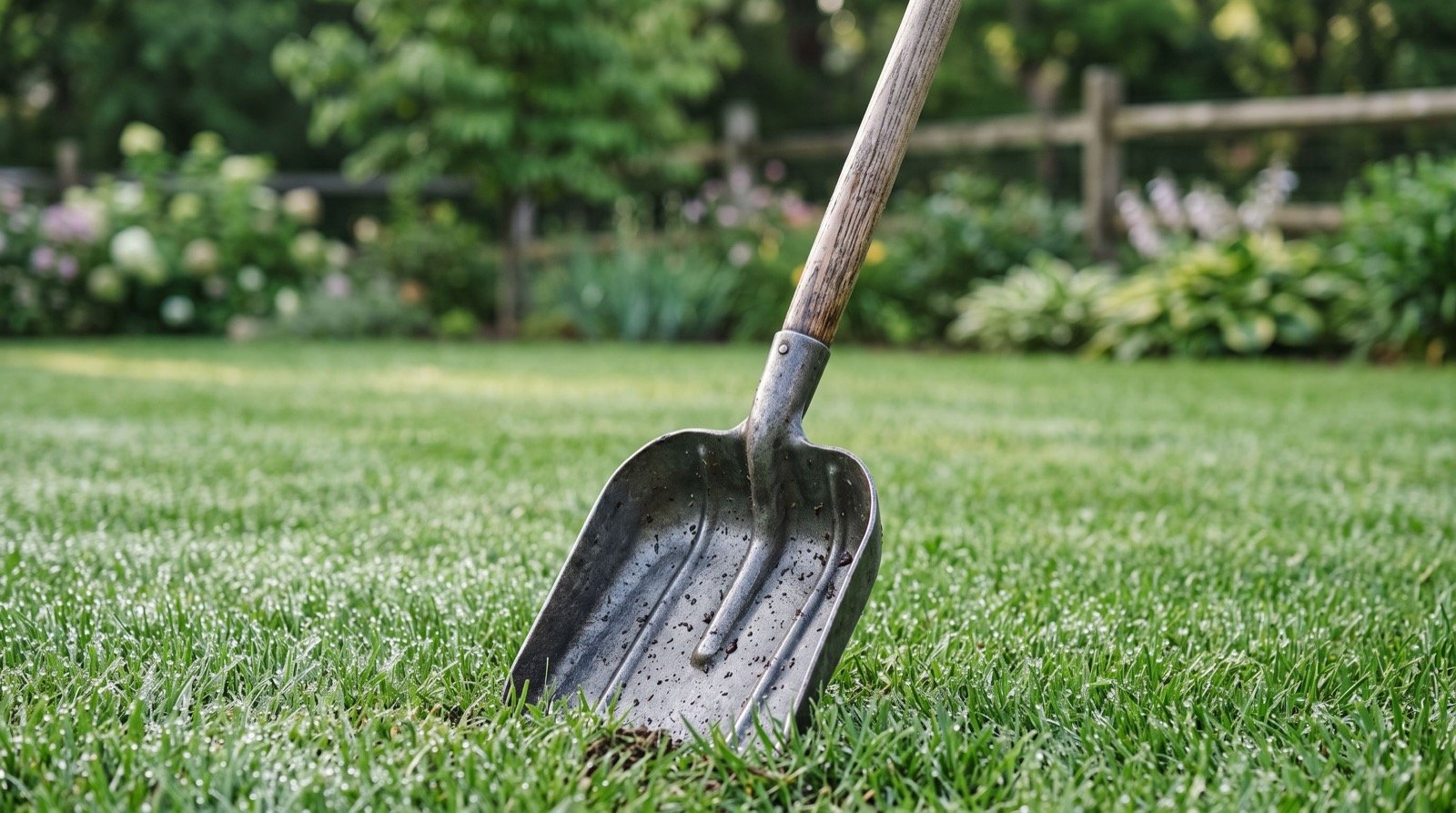
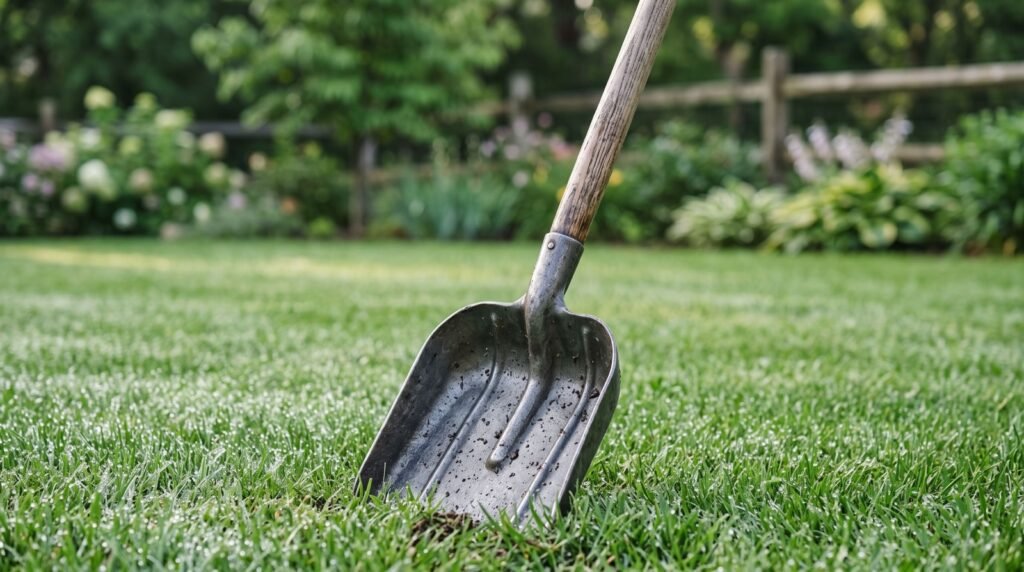
Consistency starts with the right scraping tool. A rigid Pooper Scooper metal design lets you clear waste cleanly from grass without bending, so the daily round feels quick instead of unpleasant.
The three pillars of a clean yard
- Capture: Remove waste daily with a durable scooper.
- Contain: Seal it in quality bags right away.
- Dispose: Route it to a covered bin, never a storm drain.
Gear Checklist for Effective Dog Waste Management
You do not need a shed full of equipment. A short, well-chosen kit covers almost every household. Keep it by the door so nothing interrupts your routine.
- A long-handled metal scooper for daily pickup without stooping.
- Sturdy waste bags that resist tears and leaks.
- A lidded outdoor bin to hold sealed bags between trash days.
- A hose or rinse bottle to clean the tool after each use.
- Gloves and wipes for the occasional messier job.
Buying from a reliable brand matters for longevity. Tools from Gogostik are designed for repeated outdoor use, which is exactly what a daily system demands.
A Season-by-Season Routine
Dog waste behaves differently across the year, so your approach should flex with the weather. Here is how to adapt without breaking the daily habit.
Spring and summer
Heat speeds up odor and fly activity, so scoop every day and rinse the tool often. Keep bins in the shade to slow smell, and empty them on every collection day.
Fall and winter
Fallen leaves and snow hide waste, which is where a metal scooper’s rigid edge shines. It cuts through frost and lifts frozen piles that bend a plastic tool. A quick evening sweep keeps the yard from becoming a spring surprise.
Seasonal Cleanup Comparison
| Season | Main Challenge | Key Action |
|---|---|---|
| Spring | Thaw reveals buildup | Full yard reset, then daily |
| Summer | Odor and flies | Daily scoop, shaded bin |
| Fall | Leaves hide waste | Scoop before raking |
| Winter | Frozen, hidden piles | Rigid metal edge, evening sweep |
Disposal Done Right
How you get rid of waste matters as much as how you collect it. The U.S. Environmental Protection Agency advises bagging pet waste and placing it in the trash, or flushing it where local rules allow, rather than letting it wash into waterways. Never add dog waste to a vegetable compost pile, since it can carry pathogens unsafe for food crops.
An original tip for multi-dog yards
Assign a “waste zone” by walking your dogs to one corner of the yard during training. Concentrating pickups in a smaller area cuts your daily route in half and makes the whole system faster to maintain.
When to Call in Support
Travel, injury, or a very large property can disrupt even the best routine. A dependable, experienced local team offering scheduled yard service can keep things on track until you are back in rhythm. Your own scooper and bags then cover the daily gaps.
Odor Control: The Overlooked Half of the System
Even a spotless yard can smell if containment is weak. Odor control is the part of dog waste management most owners forget until a hot afternoon reminds them. A few deliberate choices keep the whole area fresh.
Start at the bin. A tight-fitting lid and a strong liner trap smell before it escapes, while an open can broadcasts it across the yard. Position the bin in shade, since heat accelerates the bacterial activity that produces odor.
- Seal every pickup: Tie bags fully so moisture and smell stay locked inside.
- Empty on schedule: Never let a bin sit past its collection day in summer.
- Rinse periodically: A monthly hose-and-scrub of the bin kills lingering residue.
- Keep tools clean: A rinsed scooper does not carry odor back to storage.
Ventilation matters indoors too. If you store a transfer bin in a garage or utility room, crack a window or run a fan so smell never settles into the space. Baking soda in the bottom of a bin is a cheap, nontoxic way to absorb stray odor between cleanings.
Here is a practical insight from real yard maintenance: odor is almost always a symptom of time, not volume. Waste that is removed and sealed within hours barely smells, while the same amount left for a day or two becomes the problem. If your yard smells despite regular cleanups, tighten the speed of your routine before buying any product to mask it. Fixing the timing fixes the smell at its source and keeps your whole dog waste management system honest.
Frequently Asked Questions
How often should dog waste be removed from a yard?
Daily removal is best for dog waste management. Clearing waste every day stops odor, limits flies, and reduces parasites and bacteria that build up in soil when feces are left sitting for extended periods.
Can I compost dog waste?
Not in a standard garden compost used for food. Dog waste can contain pathogens that survive ordinary composting. Bag it for the trash, or use a dedicated pet-waste system designed to handle it safely.
What tool works best in winter?
A rigid metal scooper performs best in winter. Its firm edge cuts through frost and lifts frozen piles that cause flimsy plastic tools to bend or crack in the cold.
Does leaving waste really harm the environment?
Yes. Rainfall washes nutrients and bacteria from uncollected waste into storm drains and local waterways. Prompt pickup and proper disposal are simple steps that protect water quality in your neighborhood.
Conclusion
Effective dog waste management comes down to a simple, repeatable system: capture daily, contain in quality bags, and dispose responsibly. Equip yourself with a durable metal scooper, adapt to each season, and follow sound disposal rules, and the chore shrinks to a few easy minutes a day. In 2026, that organized approach keeps your yard clean, your family healthy, and your local waterways protected.